
Creative work / AI
If AI Can Do the Work, What Is Our Work Worth?
After 25 years in CGI, I'm struggling to find work—and questioning what the future holds for the people who create it.
 View illustration ↗
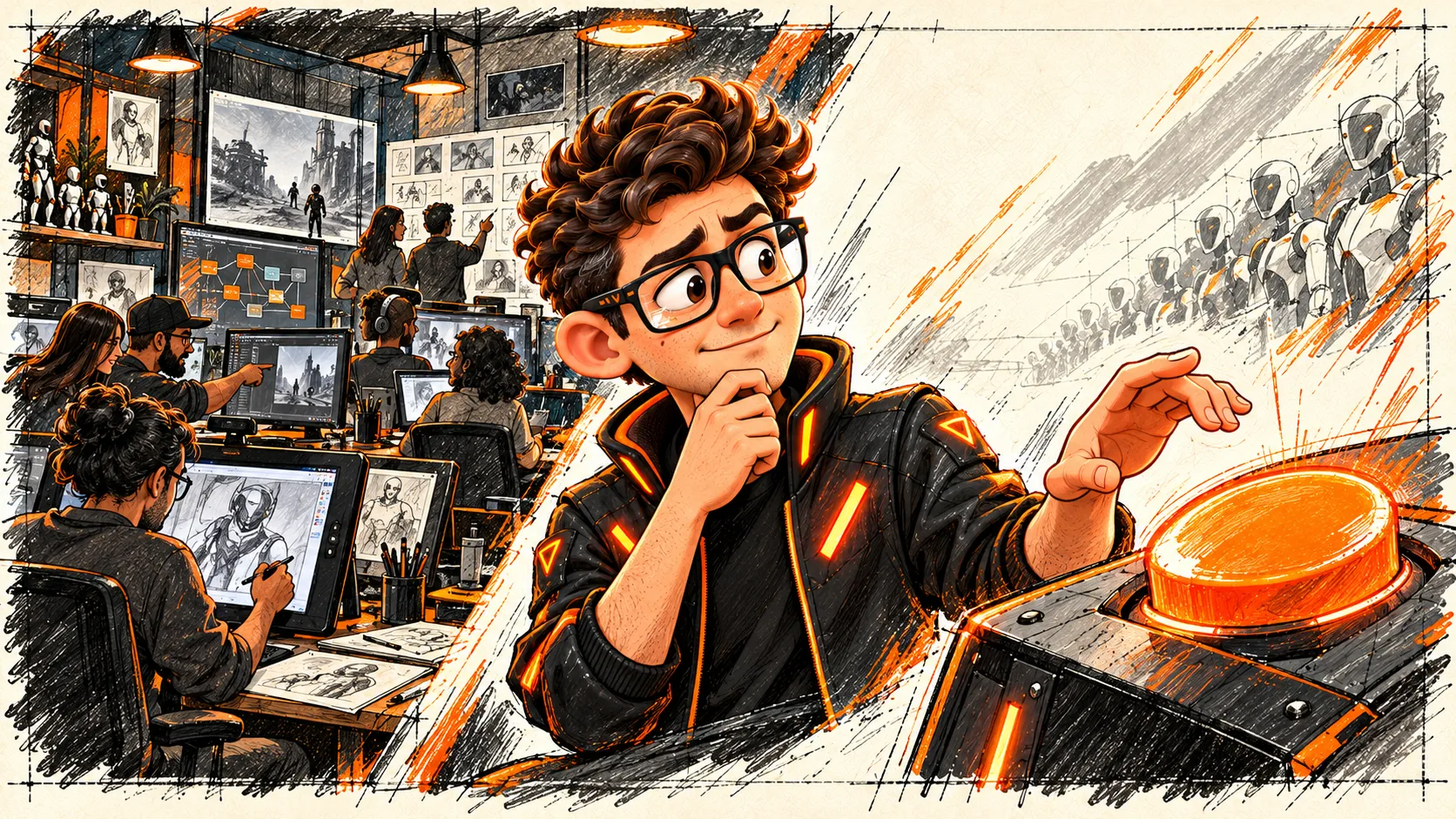
Early in my career, we used to joke about how people thought visual effects were made.
There seemed to be this assumption that we had some magical button in our software that would do everything for us. Push a button, and there’s your animation. Move a slider, and suddenly you have a realistic explosion or some incredible visual effect.
We would laugh about it because we knew just how far that was from reality.
What people didn’t see were the countless hours of work behind those images. The artists, animators, technical directors, programmers, and entire production teams working together to create something that might appear on screen for only a few seconds.
They didn’t see the years of experience, specialized knowledge, technical problem-solving, and endless revisions that went into making it possible.
From the outside, it looked easy. But we knew better.
And now, 25 years later, I find myself thinking about that old joke.
Because, ironically, we’re getting closer and closer to having that button.
Not entirely. There are still limitations, especially when it comes to control, consistency, and production-ready results. But the gap between what people imagined our software could do and what it can actually accomplish is shrinking remarkably quickly.
And I’m not entirely sure how I feel about that.
An Industry Under Pressure
I’ve spent the last 25 years working in computer graphics, across film, video games, advertising, animation, and visual effects.
I’ve worked on major productions, developed technical pipelines, built tools, and solved complicated production problems. I’ve also spent a significant part of my career teaching these skills to the next generation of artists.
For most of my professional life, I believed that if I continued learning, improving, and adapting to new technology, there would be opportunities.
That’s what I’ve always done.
But right now, I’m unemployed.
And despite having decades of experience, finding work has been difficult.
There’s something particularly discouraging about struggling to find opportunities in an industry you’ve dedicated so much of your life to. After 25 years, I suppose I qualify as what some people would call an industry veteran. But that experience hasn’t provided the security I once expected.
And looking at what’s happening throughout the industry doesn’t offer much reassurance.
Layoffs have become an almost constant part of the news. Game studios are closing or restructuring. Visual effects companies continue to face financial pressures. Experienced artists are struggling to find employment.
According to the 2026 State of the Game Industry report, 28% of surveyed game industry professionals experienced a layoff within the previous two years.
The U.S. Bureau of Labor Statistics projects essentially 0% employment growth for special effects artists and animators between 2025 and 2035.
Zero percent.
That doesn’t mean there won’t be job openings. People retire, change careers, and move into other fields. But it’s difficult to find that encouraging when you’re already looking for work.
Then, just the other day, I read that Microsoft was offering voluntary buyouts to approximately 60,000 eligible employees.
Those are voluntary offers, not 60,000 announced layoffs, and companies restructure for many reasons. I don’t think it’s accurate to attribute every workforce reduction to AI.
But when you see companies reducing employment costs while investing enormous amounts of money into automation, it’s difficult not to wonder where things are heading.
Especially when you’re trying to figure out how you’re going to support yourself and your family.
And there’s another part of this that’s particularly personal to me.
My students.
I spent years teaching people how to create computer graphics. Animation, rigging, programming, technical problem-solving, and the workflows used throughout professional production.
Teaching wasn’t just about showing students which buttons to push. It was about helping them understand how things worked, develop their abilities, and prepare for careers in an industry I genuinely loved.
I believed I was helping prepare them for a promising future.
I still believe those skills and that education have value.
But when I look at the industry today, I find myself wondering what happens to the people I helped prepare for it.
If I’m struggling to find work after 25 years of experience, what does that mean for someone who’s just getting started?
How do you gain professional experience when entry-level opportunities are becoming harder to find and you’re competing against experienced professionals who have also lost their jobs?
In the GDC report’s separate student survey, 74% of surveyed students expressed concern about their future job prospects.
I understand why.
I think about the time, money, and effort my former students invested in pursuing their education. The hours spent learning difficult software, building portfolios, and developing their artistic and technical abilities.
I wonder how many are finding the opportunities they worked so hard to prepare for.
And if one of them came to me today asking whether pursuing a career in CGI was still a good idea, I’m not sure what I would tell them.
That’s a difficult position to be in after spending so much of my career encouraging people to pursue this work.
The Race Nobody Can Win
Here’s where things become complicated for me.
I genuinely love technology.
I’ve always enjoyed learning new software, developing tools, experimenting with procedural systems, and finding better ways to accomplish complicated tasks.
In fact, much of my career has revolved around automation.
I’ve written scripts, developed animation systems, built procedural workflows, and created tools that made production easier for artists.
So naturally, when AI started becoming capable of performing increasingly sophisticated creative tasks, I wanted to explore it.
And I have been.
I’ve been experimenting with AI-assisted character creation, procedural animation, and ways of integrating artificial intelligence into traditional 3D production.
Some of the results are remarkable.
But working with these tools also gives me a perspective that can be difficult to appreciate from watching demonstrations.
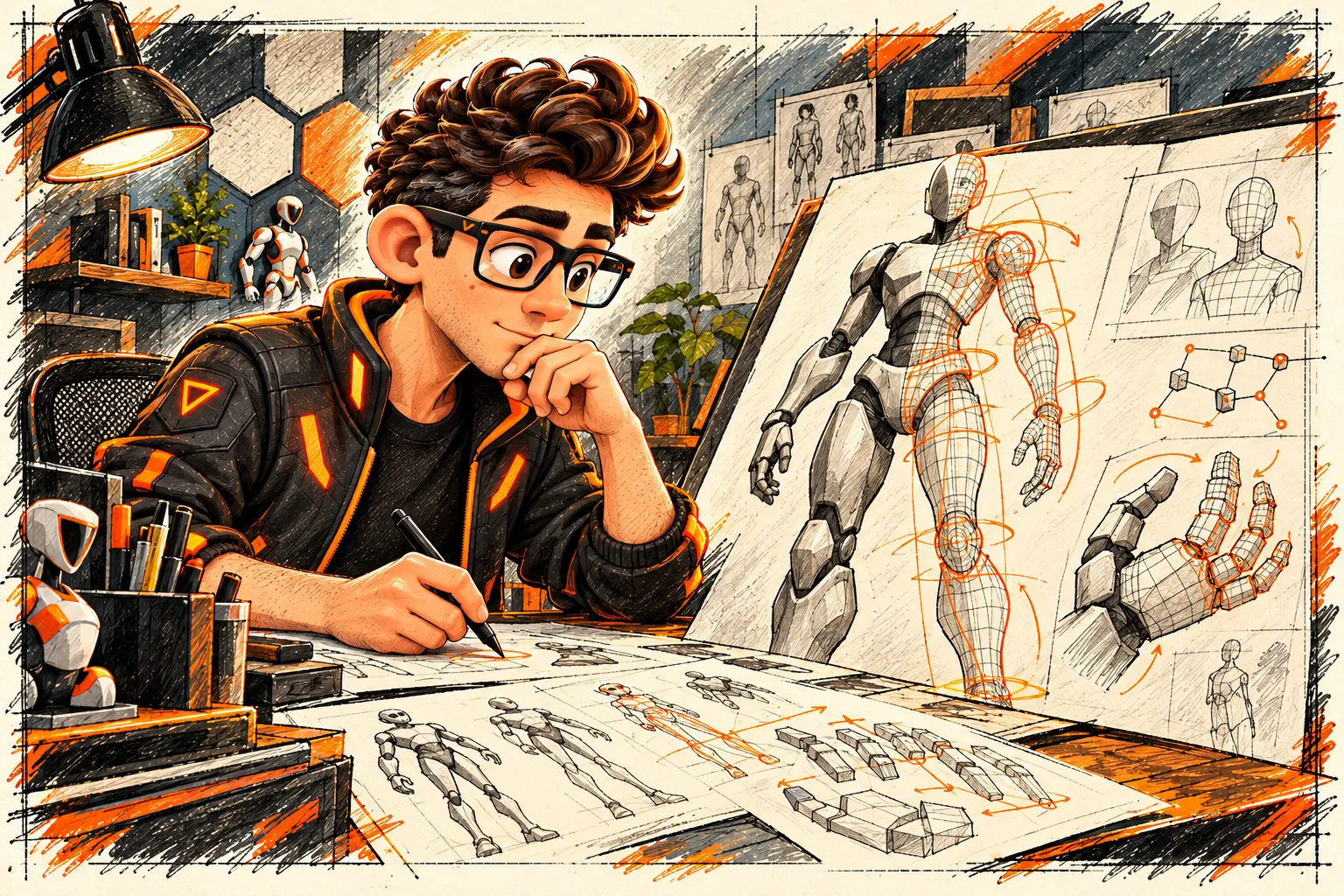
For example, I’ve been developing an AI-assisted character pipeline for CGI Nerd. Generating a 3D character is becoming remarkably accessible, but actually preparing that character for production can still involve considerable technical work.
Topology, rigging, deformation, materials, and integration into existing pipelines all present challenges.
My professional experience helps me recognize and solve those problems.
For now.
Because I can’t help wondering how long it will be before AI can handle those tasks, too.
Something I spend weeks developing today could become a standard feature in another application tomorrow.
And that’s what makes this different from the technological changes I’ve experienced throughout my career.
It’s not that I suddenly have to learn something new. I’ve been doing that for decades.
It’s the pace at which everything is changing.
It seems like every week there’s another model, another breakthrough, another demonstration of something that previously required years of specialized knowledge.
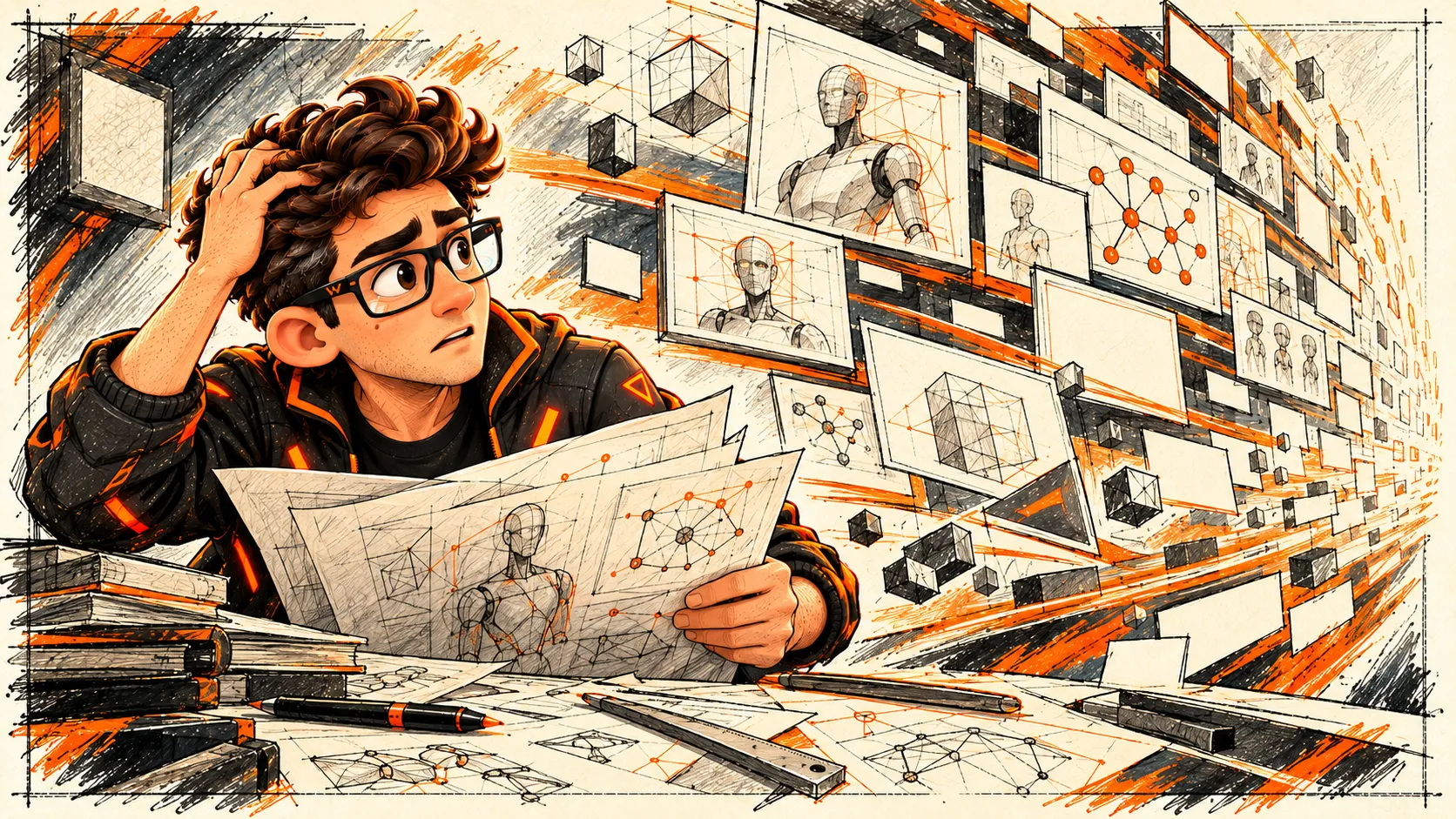
We’re constantly told that we need to adapt. Learn the new tools. Embrace AI. Stay current.
I understand that perspective. It’s something I’m actively trying to do.
But keeping up with technological change is becoming an enormous undertaking in itself, and I’m not convinced that becoming more technically capable necessarily makes me more employable.
I can spend weeks learning a new system or developing a sophisticated workflow, but that doesn’t guarantee anyone will be willing to pay me for those abilities.
And what happens when the next advancement automates those skills, too?
I’ve started thinking about what it would mean to move into another profession.
If CGI isn’t providing enough opportunities, perhaps I should concentrate on something else.
But where?
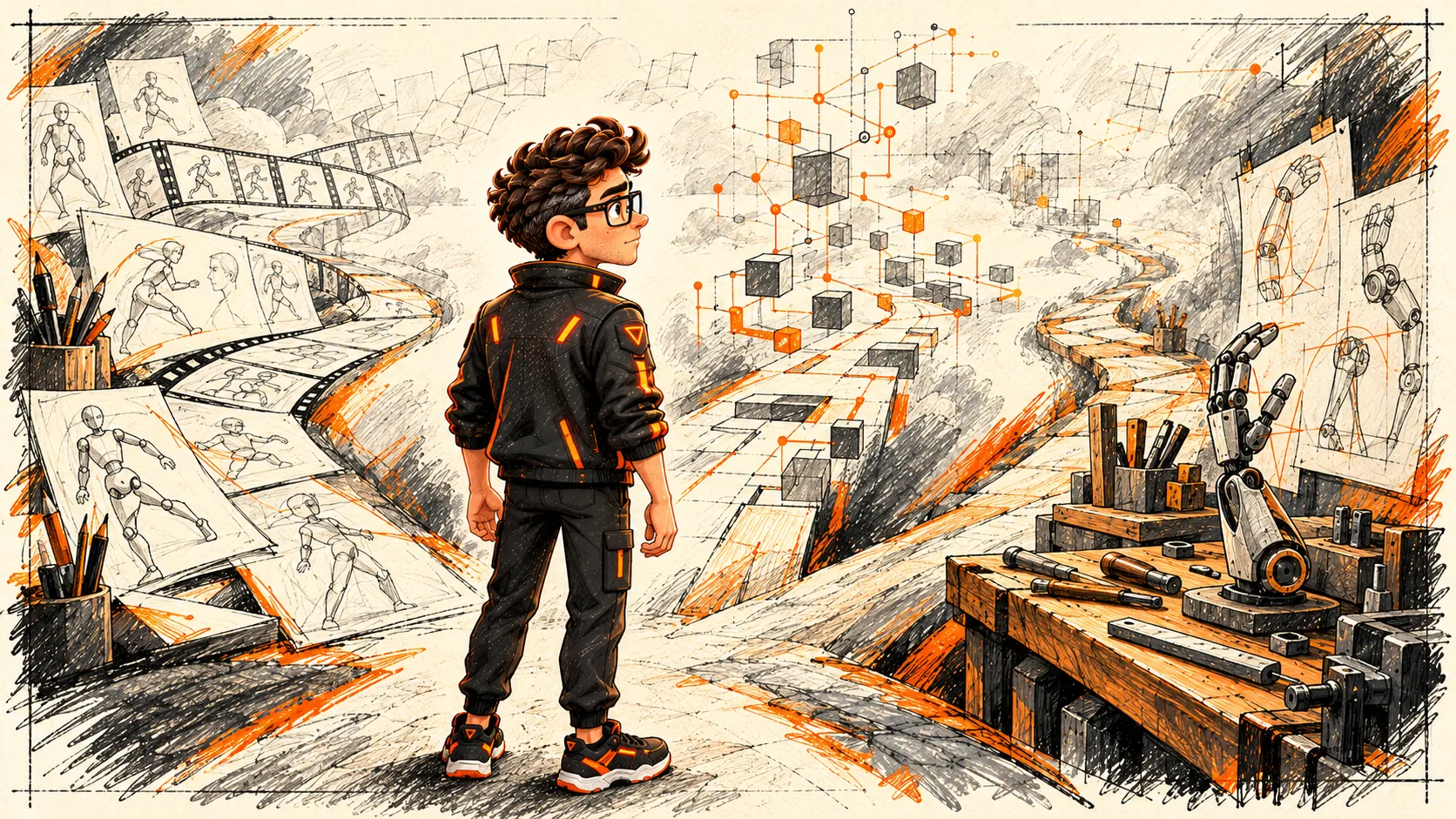
One of the advantages I’ve always had is that my experience extends beyond traditional art and animation.
I’ve spent years programming, scripting, developing production tools, and solving technical problems. Those skills gave me flexibility and were once logical alternatives if traditional CGI opportunities became scarce.
But now AI is becoming increasingly capable of writing code, debugging scripts, building applications, and automating many of those same technical tasks.
Software development isn’t disappearing, and there’s still considerable value in understanding complex systems. But that profession is changing, too.
And this extends beyond creative and technical production.
AI is already changing work across programming, finance, research, administration, marketing, and other knowledge-based professions.
As robotics improves and AI becomes more integrated into physical systems, I wonder whether traditionally hands-on professions will eventually face similar pressures.
That doesn’t mean skilled trades are about to disappear. Working in unpredictable physical environments presents challenges that are very different from generating images or writing software.
Some professions may remain difficult to automate for decades.
But if I’m considering investing years of my life in developing an entirely new career, how do I know which direction will provide long-term stability?
Perhaps some of these developments will take much longer than people anticipate. Maybe their effects will be very different from what we’re imagining today.
I don’t know.
But for someone trying to decide where to invest their time, that uncertainty matters.
Changing careers is a significant commitment. And after spending 25 years developing expertise in one profession, the possibility of starting over only to face similar challenges is difficult to ignore.
What Are We Really Selling?
All of this brings me to the question that’s probably been bothering me the most.
What is the value of our work?
For much of my career, creating high-quality CGI required specialized knowledge, artistic ability, expensive software, powerful hardware, and years of experience.
That difficulty was part of what made those skills valuable.
But as AI makes increasingly complicated tasks easier to accomplish, some of that scarcity is disappearing.
And I find myself questioning what happens to the economic value of our work when the barriers that once made it valuable begin to fall.
Maybe the answer is that our value was never really in operating the software.
Perhaps it was always about creativity, judgment, problem-solving, and understanding what someone was trying to accomplish.
I think there’s truth to that.
I’ve never viewed software as the ultimate goal. The goal was to tell a story, communicate an idea, solve a problem, or create an experience.
The software was simply how we got there.
But even that explanation leaves me uncertain.
Because AI isn’t just automating technical execution anymore. These systems are becoming increasingly capable of helping people develop ideas, evaluate alternatives, and make creative decisions.
They still have limitations, but I don’t think we can confidently assume those limitations will remain indefinitely.
And perhaps there’s an even more important distinction.
Just because something has value doesn’t mean someone will pay you to create it.
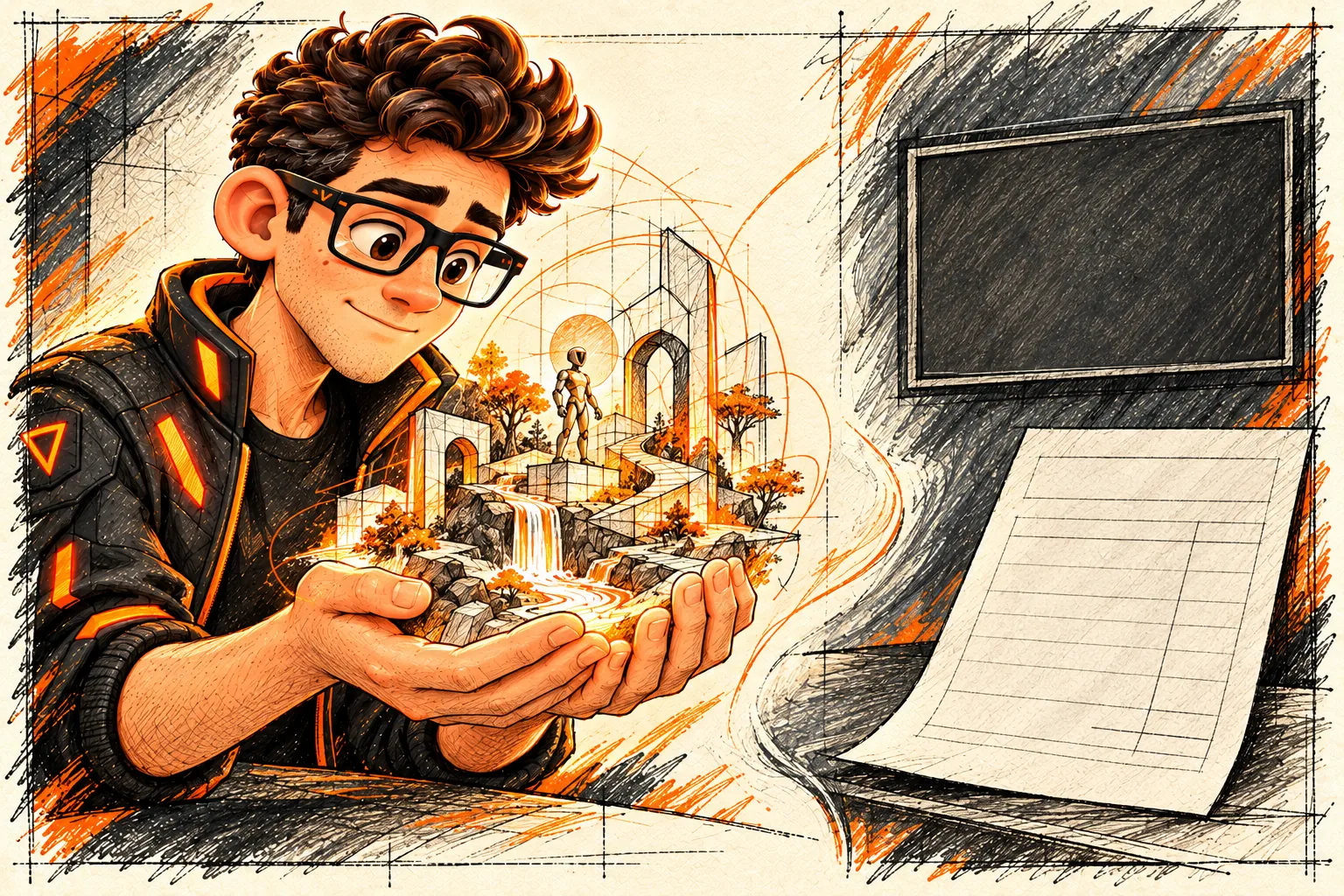
Creative work can have tremendous artistic, cultural, and personal value without providing a sustainable income for the person who created it.
An artist can be incredibly talented without finding opportunities that allow them to support themselves.
I wonder whether we’re moving toward a future where creative work becomes more accessible than ever before, where individuals can accomplish extraordinary things with increasingly powerful tools, but fewer people are able to earn a living doing that work.
Maybe entirely new opportunities will emerge.
Maybe AI will allow individuals and small teams to accomplish things that previously required entire studios.
Maybe we’ll discover new forms of creativity and entirely different ways of working.
I can see those possibilities, and they genuinely excite me.
But I also see people losing their jobs today. I see experienced professionals struggling to find work, and I think about my former students trying to establish their careers.
Technological progress can create extraordinary opportunities without necessarily benefiting everyone affected by the changes.
And increasing our ability to produce something doesn’t automatically increase the economic value of the people producing it.
That’s the contradiction I find difficult to reconcile.
I still love CGI.
I still enjoy opening Houdini, experimenting with ideas, solving complicated problems, and discovering new ways to create things.
And despite all my concerns, I find artificial intelligence fascinating.
In many ways, the creative possibilities available today are greater than anything I could have imagined when I began my career.
Yet I find myself more uncertain about my professional future than I have been in a long time.
There’s something ironic about spending much of your career developing tools and automating production workflows, only to find yourself wondering whether automation might eventually make your own work unnecessary.
And there’s something deeply unsettling about spending years preparing students for an industry when you’re no longer certain what opportunities that industry will provide them.
I’m not against technological progress. I’m actively learning and experimenting with the very technologies that make me question my future.
But I also have a family to support, bills to pay, and a limited amount of time to invest in whatever comes next.
For most of my life, I believed that hard work, experience, and a willingness to keep learning would provide a path forward.
I still believe those things matter.
I’m just no longer certain they’re enough.
After 25 years in this industry, I find myself asking questions I never expected to be asking at this point in my career.
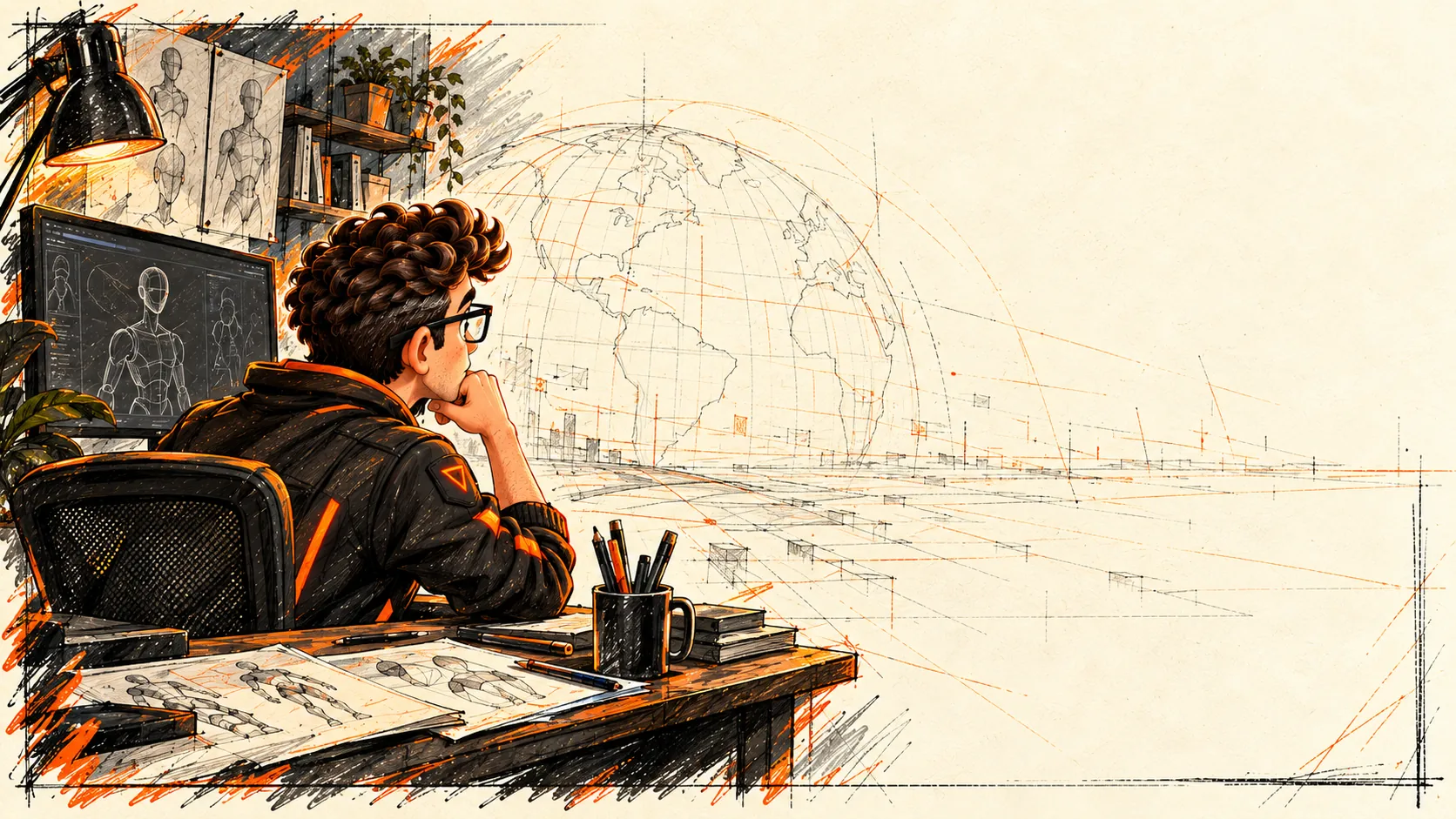
What are we even working toward?
What value can I provide?
How am I supposed to keep up?
Is it even possible?
And if it is, is it even worth it?